
Threat Modeling in Secure Software Development
In an increasingly digital world, the need to develop secure software has never been more pressing. While rapid innovation is essential to staying competitive, we can’t let security fall behind. This is where threat modeling comes into play, a proactive security technique that integrates seamlessly with modern software development approaches like OWASP’s Software Assurance Maturity Model (SAMM).
What is Threat Modeling and why is it Crucial?
Threat modeling is a systematic approach to identifying and evaluating potential risks in an application or system. It not only helps prevent security issues from the design stage, but also establishes a common understanding among developers, product managers, and security experts about which risks are most critical and how to address them. This activity becomes the cornerstone for other security practices, from architecture to incident response.
The Framework SAYS: A Guided Path to Threat Modeling
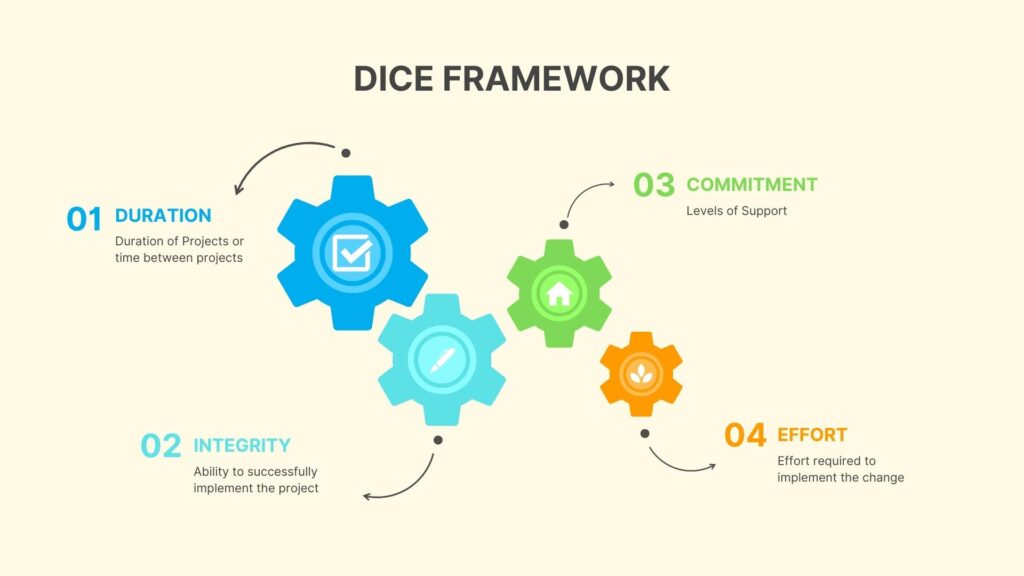
To conduct effective threat modeling, it is advisable to follow a structured approach such as the DICE framework, which covers Application Diagramming, Threat Identification, Understanding Threat Actors, Attack Surface Assessment, and Implementing Security Controls. This framework allows teams with different levels of security maturity to adopt a standardized process.
The Challenges of Threat Modeling in Large Environments
While threat modeling is highly valuable, it is not without its challenges. It requires a significant level of security expertise, and can be a time and resource intensive process. Scalability also becomes an issue when handling multiple applications or systems. Therefore, tools and frameworks like OWASP SAMM offer a set of guidelines to make security activities more manageable and measurable.
Levels of Maturity: It’s Not Always ‘The More, the Better’
A common misconception is that achieving the highest level of maturity in threat modeling is always the goal. However, what is more important is to align the maturity level with the specific needs and resources of the organization. Not all systems need the highest degree of protection; Sometimes a lower but well-implemented maturity level is more than enough to mitigate risks.
Contrary to popular belief, the success of threat modeling is not measured by the number of vulnerabilities found, but by how the organization can effectively minimize the attack surface. Here, key performance indicators (KPIs) play a crucial role in evaluating the effectiveness of the process.
Towards an Integrated Safety Culture
Finally, for a successful implementation of threat modeling, it is essential to cultivate a culture of security. This involves continuous training, collaboration between teams, and adjusting strategies based on metrics and feedback. Modern tools and techniques, such as virtual dashboards and collaborative modeling software, can greatly facilitate this process.
Threat modeling is not just an isolated security activity, but a comprehensive practice that informs and improves all other areas of cybersecurity and software development. As threats evolve, so must our strategy to mitigate them, making threat modeling a vital part of any secure software development lifecycle.
For those interested in delving deeper into this topic, OWASP and others offer valuable resources to get started, from the OWASP Threat Modeling Playbook to a broad community of experts willing to share their knowledge.